How Tibetan Gong Bowls Are Used in Sound Healing
We may earn a commission for purchases made using our links. Please see our disclosure to learn more.
You know that feeling when your mind sounds like ten browser tabs arguing at once? That is exactly why so many people get curious about tibetan gong bowls.
There is something oddly grounding about a single clear tone that hangs in the air and says, without words, “Hey, you can unclench now.”
In this article, you’ll learn what tibetan gong bowls are, how they’re used in sound healing, why people find them so calming, how to start using one at home, and which beginner-friendly tools are worth looking at. I’ll also walk you through a research-backed section so this stays rooted in more than just spiritual vibes and pretty Instagram reels.
Affiliate note: I may earn a small commission from qualifying purchases, at no extra cost to you.
What Tibetan Gong Bowls Actually Are
For this article, I’m using tibetan gong bowls to mean the metal Himalayan-style meditation bowls often used in sound healing, mindfulness, and spiritual ritual.
They are simple in form but powerful in feel. You strike or circle the rim with a mallet, and the bowl responds with a tone that seems to bloom outward. It is less like pressing play on music and more like dropping a pebble into still water and watching the ripples spread.
Some people call them singing bowls. Others call them meditation bowls or sound healing bowls. Whatever name you use, the heart of the practice is the same: sound, vibration, attention, and presence.
Why the Sound Feels So Different
A regular bell rings and moves on with its life. A bowl lingers.
That lingering tone matters. The sustained resonance gives your mind something steady to follow. Instead of chasing every thought, your attention has a kind place to land.
That is why many people use tibetan gong bowls during:
- meditation
- breathwork
- chakra healing
- prayer
- yoga
- journaling
- bedtime wind-downs
It is not magic in the cartoon sense. It is more like giving your nervous system a softer room to stand in.
How Tibetan Gong Bowls Are Used in Sound Healing
In sound healing, the bowl is not there to entertain you. It is there to help shift your state.
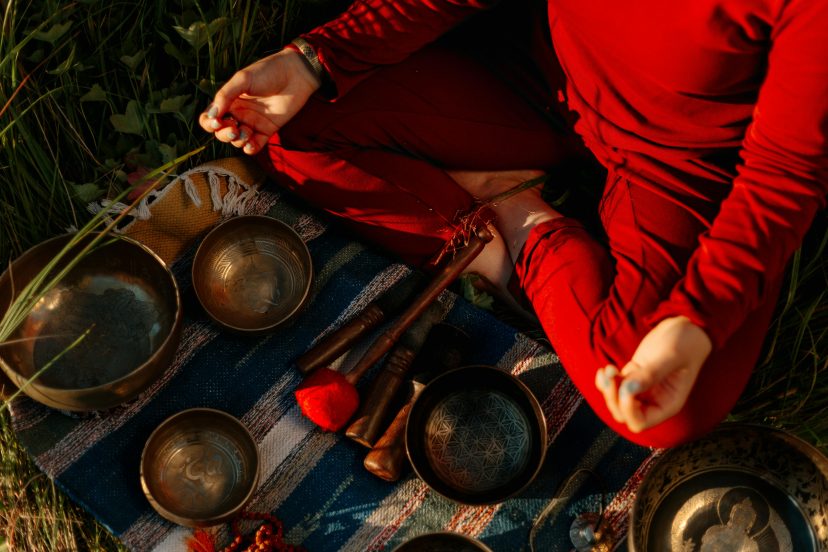
Practitioners often use tibetan gong bowls to open a session, mark transitions, deepen stillness, or guide the body into relaxation. In a sound bath, bowls may be played alongside chimes, gongs, or other instruments. In one-on-one sessions, the bowl may be placed near or around the body so the listener can feel the vibration as well as hear it.
The basic idea is simple: when your environment becomes less chaotic, your inner world often follows.
What a Typical Session Feels Like
If you have never tried a sound healing session, it can feel surprisingly ordinary at first.
You settle into a seated or reclined position and focus on your breathing. Someone plays the bowl. Then, little by little, your mind stops acting like a squirrel on espresso.
Some people notice warmth in the chest. Some feel sleepy. Some get emotional for no dramatic reason at all. Others just feel quiet, which is honestly a miracle on certain Tuesdays.
There is no one “correct” spiritual response. You do not need visions. You do not need to float. You just need to listen.
The Spiritual Meaning Many People Attach to Them
For many people, tibetan gong bowls are more than instruments. They are anchors.
The sound can symbolize a return to center. It can mark the beginning of prayer, a cleansing ritual, a mindfulness practice, or a personal moment of reflection. In that way, the bowl becomes less about performance and more about intention.
You might use one to say:
- I am entering sacred time now.
- I am releasing what feels heavy.
- I am making space to hear myself clearly.
- I am reconnecting with something bigger than my stress.
That is where spirituality enters the room. Not as a set of rules, but as a living connection.
Benefits People Often Notice
People use tibetan gong bowls for different reasons, but a few themes come up again and again.
First, they can make meditation easier. Silence sounds beautiful in theory, but in practice, silence often gives your thoughts a megaphone. A bowl gives your attention a softer focal point.
Second, they can support emotional regulation. When you feel scattered, the steady tone can help you slow down enough to notice what is going on without immediately wrestling it.
Third, they can make spiritual practice feel more embodied. Instead of thinking your way through meditation, you get to hear it and feel it.
That said, think of the bowl as a support tool, not a miracle vending machine.
How to Use Tibetan Gong Bowls at Home
You do not need a candle collection that looks like a boutique or a meditation corner blessed by moonlight. You can start very simply.
Try this:
- Sit comfortably.
- Take three slow breaths.
- Strike the bowl gently.
- Listen until the sound fades.
- Breathe again before the next tone.
Do that for five minutes.
That is it. No complicated choreography. No spiritual auditions. Just you, your breath, and a sound that gives your mind fewer places to run.
Striking vs Circling the Bowl
Both methods work. They just create different experiences.
Striking
Striking gives you a clear beginning and end. It is great for short pauses, meditation openings, grounding rituals, or transitioning between practices.
Circling
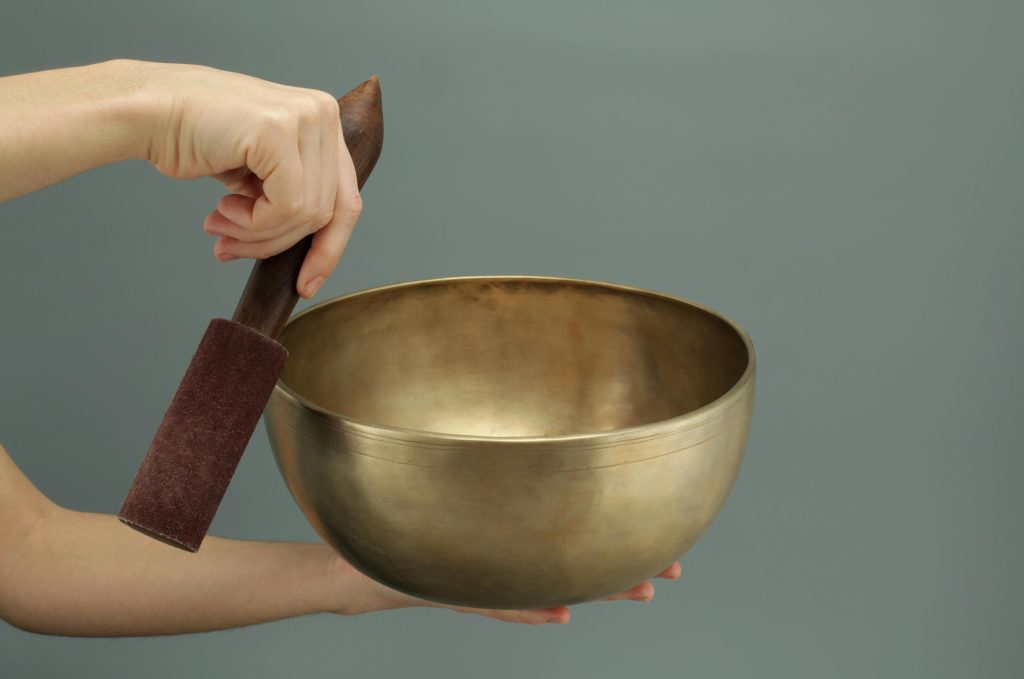
Circling the rim creates a more continuous singing tone. It usually feels more immersive and is lovely for longer mindfulness practice or sound bath sessions.
If you are a beginner, striking is usually easier. Circling takes a bit more touch. At first, the bowl may sound less like enlightenment and more like a shopping cart in distress. That is normal. Keep going.
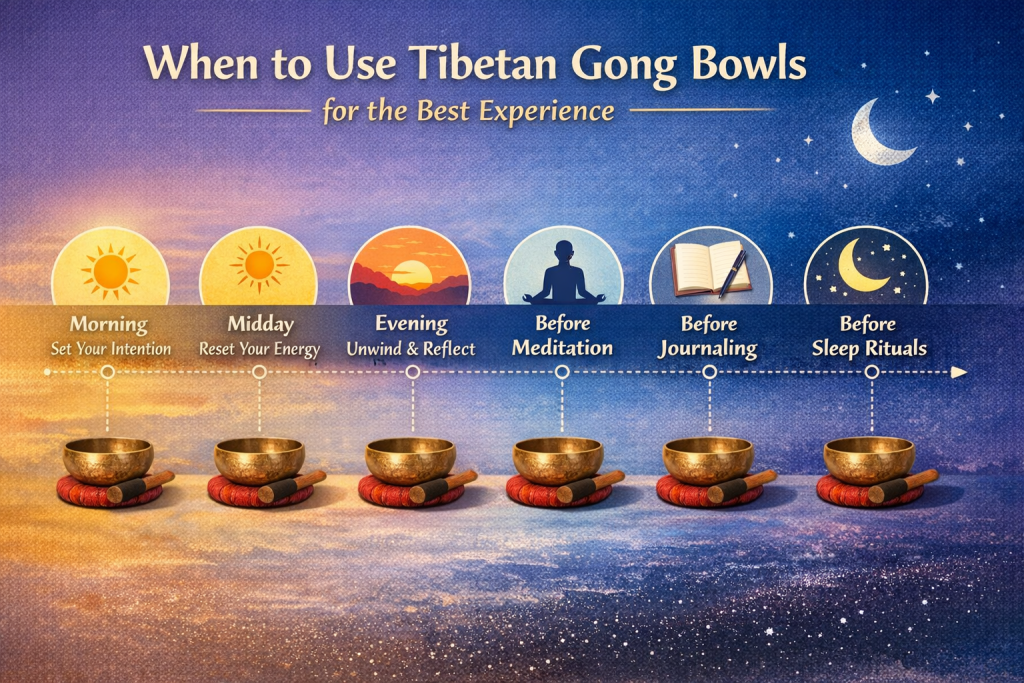
The Best Times to Practice With Tibetan Gong Bowls
There is no spiritual police unit checking your timing, but some moments tend to work especially well.
Morning practice can help you start with intention instead of immediately body-slamming yourself into notifications.
Midday use is great when your brain feels foggy and overstimulated.
Evening practice can help signal to your body that the day is winding down.
My favorite rule is this: use the bowl when you need a reset, not only when you feel “zen enough” to deserve it.
How to Create a Sacred Space Without Overcomplicating It
A sacred space does not need to be fancy. It just needs to feel honest.
You might place your bowl near a journal, a small cloth, a meaningful object, or a chair where you actually like sitting. If the space feels calming and reachable, you are more likely to use it.
Think less “perfect altar” and more “corner that helps me come back to myself.”
You can also pair your bowl with:
- slow breathing
- intention setting
- gratitude journaling
- prayer
- tarot or oracle reflection
- gentle stretching
Using Tibetan Gong Bowls in Shared Rituals
These bowls can also be beautiful in relationships.
For example, a couple might ring the bowl before a weekly check-in, a shared gratitude practice, or a quiet evening meditation. That one sound can act like a doorway. It tells both people, “We are stepping out of chores, stress, and logistics for a minute.”
If shared spiritual rituals speak to you, this guide on spiritual practices for couples fits naturally alongside a tibetan gong bowls practice.
Common Beginner Mistakes to Avoid
Most mistakes are not serious. They are just part of learning.
Here are the big ones:
- Hitting too hard. You do not need to attack the bowl like it owes you money.
- Expecting instant transformation. Some sessions feel profound. Some just feel peaceful. Both count.
- Using the wrong mallet angle. A small adjustment can change the sound a lot.
- Trying to force a mystical experience. Relaxation is enough.
- Buying based only on looks. A pretty bowl that feels awkward in your hands will not get used much.
Gentle consistency beats spiritual perfection every time.
How to Choose the Right Bowl for Your Practice
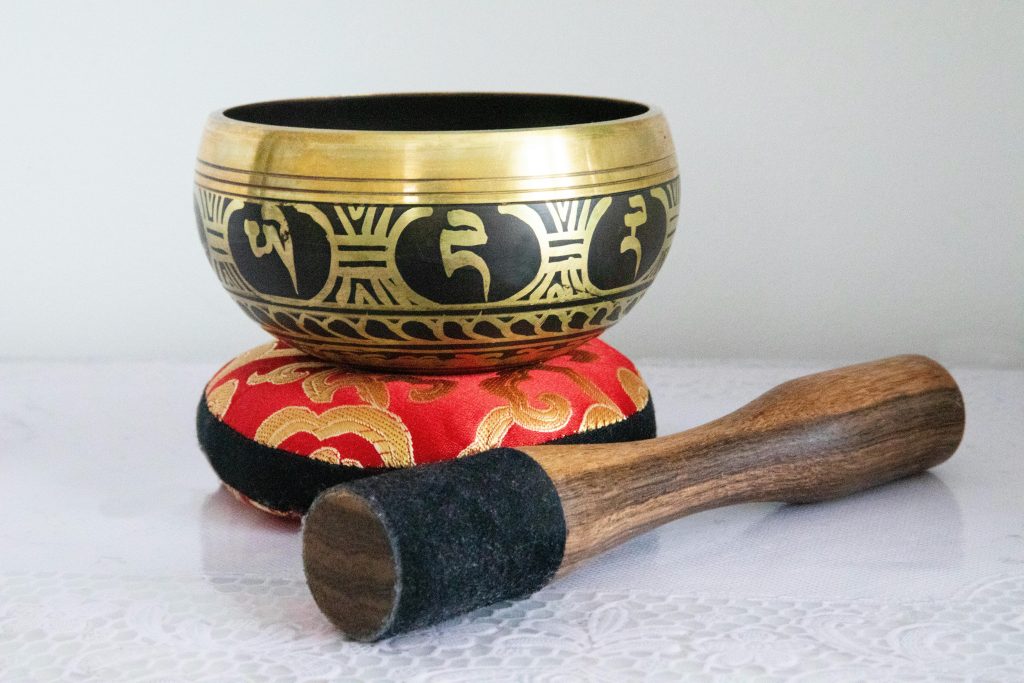
A smaller bowl is portable and beginner-friendly. It is good for personal practice, travel, and short grounding rituals.
A medium bowl usually offers a fuller tone and feels like the sweet spot for many people starting out.
A crystal singing bowl can create a more sustained, pure tone and may work well in longer sound baths or chakra-centered meditation.
So ask yourself:
Do you want portability, fuller resonance, or a more immersive sound healing experience?
That answer matters more than buying the fanciest thing in the room.
5 Products Worth Exploring for Tibetan Gong Bowls Practice
1) Handcrafted Tibetan Singing Bowl Set – 3.5” Sound Bowl for Meditation, Sound Healing & Yoga – The Ohm Store
A small, travel-friendly option that fits easily in one hand.
Features: hand-hammered bowl, 3.5-inch size, wooden striker, hand-sewn cushion.
Best for: beginners, apartment dwellers, and anyone who wants a simple daily mindfulness tool.
2) Handcrafted Tibetan Singing Bowl Set – 5″ Sound Bowl for Meditation, Sound Healing & Yoga – The Ohm Store
This one gives you a bit more presence and depth than the smaller bowl.
Features: 5-inch hand-hammered bowl, wooden striker, hand-sewn cushion, crafted in Nepal.
Best for: people who want a fuller tone for home meditation or small-group use.
3) Tibetan Singing Bowl Set: 4.5 Inch Sound Healing Bowl Gift Set, Made in Nepal – BlissBeckons
A gift-ready option that still feels practical, not gimmicky.
Features: 4.5-inch bowl, felt-tipped mallet, cushion, handcrafted lokta gift box.
Best for: gifting, beginner sound healing, and people who want a nice presentation without extra fuss.
4) CVNC 440HZ 8 Inch F Note Heart Chakra Frosted Quartz Crystal Singing Bowl with Mallet and O-ring
This is not a traditional metal bowl, but it is relevant if you want a more sustained crystal tone for meditation.
Features: 8-inch frosted quartz bowl, mallet, rubber O-ring, designed for sound healing and meditation.
Best for: longer sessions, chakra-focused practice, and anyone drawn to crystal singing bowls.
5) Boao Tibetan Bells Tingsha Cymbals Meditation Chime Bells with Tibetan Drawstring Cloth Bag
Not a bowl, but a useful companion instrument for opening and closing a spiritual practice.
Features: meditation chime bells, cloth bag, long bell-like tone used in yoga and meditation.
Best for: people building a fuller sound ritual or wanting a crisp clearing sound before meditation.
What Research Says About Tibetan Gong Bowls and Sound Healing
The science here is promising, but it is still developing. That is the honest answer.
A 2025 systematic review on singing bowl therapy found potential benefits for anxiety, depression, sleep quality, cognitive function, and some physiological measures, while also making it clear that the field still needs stronger studies. In other words, the signals are encouraging, but they are not a free pass for exaggerated claims.
A 2023 study on singing bowl sound and meditational brainwaves found that the bowl’s beat frequency aligned with low-frequency brainwave activity associated with relaxed states. In that experiment, participants showed increases in delta and theta activity while listening, which supports the idea that singing bowl sound may help facilitate meditation and psychological stability.
FAQs
Do Tibetan gong bowls mean the same as Tibetan singing bowl
Usually, people use the phrase to refer to Tibetan or Himalayan singing bowls used in meditation and sound healing. The exact wording varies, but the practice is largely the same.
How frequently should you use tibetan gong bowls?
A few minutes a day is plenty for beginners. Regular practice is more effective than doing longer sessions only now and then.
Can beginners use tibetan gong bowls at home?
Absolutely. A simple bowl, a mallet, and five quiet minutes are enough to start. You do not need formal training to begin listening with intention.
Do tibetan gong bowls help with meditation?
Many people find they do because the sound gives the mind a clear point of focus. That can make it easier to settle than starting with silence alone.
What size bowl is best for beginners?
A small to medium bowl is usually the easiest place to start. It is portable, manageable, and practical for personal use.
Conclusion
Tibetan gong bowls are simple, but they are not small in what they can offer.
They can help you slow down. They can make meditation feel less intimidating. They can turn an ordinary corner of your home into a place that feels a little more sacred, a little more spacious, and a lot less noisy inside.
You do not need to become a different person to use them well. All you need is a little quiet time and an open mind to truly listen.
Start small. Strike the bowl once. Follow the sound all the way to silence. Sometimes that’s where true healing starts.