
Reiki Signs Beginners Should Know About

We may earn a commission for purchases made using our links. Please see our disclosure to learn more.
You may come to Reiki because you feel tired, emotionally heavy, spiritually curious, or simply ready for a little more peace in your body. Maybe you had a session and thought, “Was that warmth real, or did I just imagine it?” Totally fair question.
Reiki signs can be gentle, surprising, emotional, or so subtle you almost miss them. In this guide, you’ll learn what these signs may feel like, how to notice them, what they might mean, and how to approach Reiki with grounded curiosity instead of pressure.
Affiliate note: This article includes Amazon product ideas for supporting a Reiki practice. Add your own affiliate links where needed.
What Are Reiki Signs?
Reiki signs are the physical, emotional, mental, or spiritual responses you may notice during or after a Reiki session. These can include warmth, tingling, deep relaxation, emotional release, sleepiness, vivid dreams, or a quiet sense of clarity.
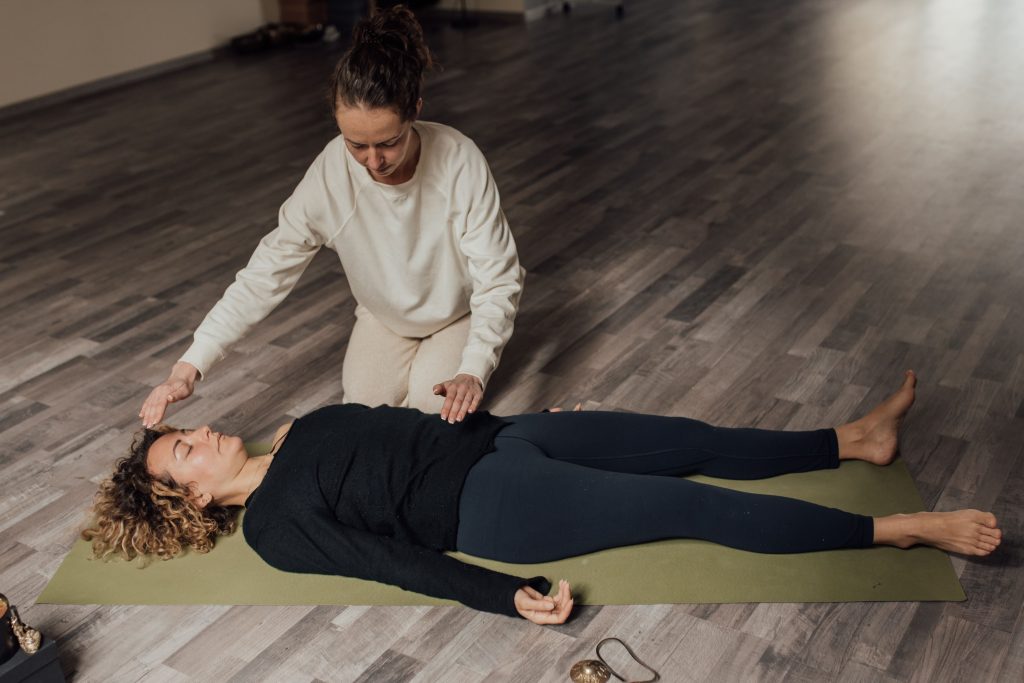
Reiki is considered a complementary health approach where a practitioner places their hands lightly on or just above the body with the intention of supporting the body’s natural healing response. The National Center for Complementary and Integrative Health notes that Reiki is based on an Eastern belief in energy that supports the body’s natural healing abilities.
That said, Reiki should not replace medical care. Think of it like a spiritual blanket, not a substitute for your doctor.
Why Reiki Signs Feel Different for Everyone
No two people experience Reiki the same way. One person may feel heat in their hands. Another may cry unexpectedly. Someone else may feel absolutely nothing during the session, then sleep like a peaceful house cat later.
Your experience can depend on:
- Your stress level
- Your emotional state
- Your openness to energy healing
- Your body awareness
- The practitioner’s style
- The setting and atmosphere
Sometimes the quietest Reiki healing experience is still meaningful. Not every spiritual shift arrives with fireworks. Some show up like a soft knock at the door.
Physical Reiki Signs You May Notice
Physical Reiki signs are often the easiest for beginners to notice because they happen in the body.
Common examples include:
- Warmth or heat
- Tingling in the hands, feet, or forehead
- Gentle pulsing sensations
- Muscle relaxation
- Sleepiness
- Light pressure or heaviness
- A floating feeling
- Stomach gurgling
- Deep sighing or yawning

What These Body Signals May Mean
Many people interpret these sensations as signs of Reiki energy moving through the body. From a practical view, they may also reflect relaxation, nervous system settling, or increased body awareness.
Either way, you do not need to force a meaning. Just notice. Your body may be saying, “Finally, we’re not sprinting through life for five minutes.”
Emotional Reiki Signs That May Surface
Emotional release is one of the most talked-about Reiki signs. You may feel calm, joyful, tender, nostalgic, or unexpectedly tearful.
This does not suggest that there is an issue. Sometimes your body relaxes enough for stored feelings to step forward.
You may notice:
- Sudden tears
- A wave of gratitude
- Irritability after a session
- A sense of relief
- Old memories appearing
- Feeling lighter emotionally
When Emotions Rise Gently
If emotions come up, try not to judge them. Put your palm on your heart, take a deep breath, and ask yourself, “What needs kindness right now?”
That one question can turn a confusing moment into a healing one.
Spiritual Reiki Signs and Inner Awareness
Spiritual Reiki signs are often subtle. They may feel like inner knowing, peace, connection, or a quiet shift in perspective.
You might experience:
- Feeling more connected to yourself
- A stronger sense of intuition
- A peaceful mood after the session
- A desire to forgive or let go
- Increased awareness of patterns
- A feeling of being supported
These signs do not have to be dramatic. Spiritual growth often looks less like a movie scene and more like choosing not to spiral over the same old problem.
Reiki Signs During a Healing Session
During a Reiki session, you may notice changes almost immediately, or you may wonder if anything is happening at all. Both are normal.
Common Reiki signs during a session include:
- Feeling heat from the practitioner’s hands
- Seeing colors behind closed eyes
- Feeling waves of calm
- Sensing energy movement
- Feeling emotional but safe
- Drifting into a dreamlike state
Should You Feel Something Every Time?
No. Reiki is not a performance. You do not need to feel tingles to “prove” it worked.
Some sessions feel powerful. Others feel quiet. Sometimes the benefit appears later when you realize you reacted more calmly to something that usually sends you into full raccoon-in-a-trash-can mode.
Reiki Signs After a Reiki Session
After a session, your body and mind may continue processing the experience.
You may notice:
- Better sleep
- More vivid dreams
- Thirst
- Emotional sensitivity
- A lighter mood
- A desire for quiet
- More self-reflection
- Temporary tiredness
Drink water, eat nourishing food, and give yourself a little space. You do not need to decode every sensation like a detective with a corkboard.
Subtle Energy Shifts Beginners Often Miss
Some Reiki signs are easy to overlook because they feel ordinary.
You may notice that you:
- Pause before reacting
- Feel less tense in your shoulders
- Breathe more deeply
- Want to declutter your space
- Feel drawn to journaling
- Notice your intuition more clearly
- Feel less attached to old worries
These subtle energy shifts matter. Healing is not always loud. Sometimes it is simply realizing you are no longer carrying the same emotional backpack full of bricks.
How to Tell Reiki Signs From Everyday Feelings
This is where grounded awareness helps. Not every yawn, dream, or stomach rumble is a mystical sign. Sometimes a yawn is just your body saying, “Please sleep before midnight for once.”
Ask yourself:
- Did this feeling happen during or soon after Reiki?
- Did it feel different from my usual patterns?
- Did it bring calm, clarity, or release?
- Did it encourage healthy reflection?
- Am I trying too hard to make it mean something?
The best approach is open-minded but balanced. You can honor the spiritual side without turning every sneeze into a prophecy.
Practical Tips for Noticing Reiki Energy
If you want to better recognize Reiki signs, create a simple reflection habit.
Try this after each session:
- Write down three body sensations
- Note your mood before and after
- Track dreams for a few days
- Drink water and rest
- Avoid rushing into stressful tasks
- Notice changes in your reactions
A Simple Reiki Journal Prompt
Use this prompt:
“What felt different in my body, emotions, thoughts, or spirit after Reiki?”
Keep things simple. It is sufficient to use bullet points. Your journal does not need to sound like ancient poetry written under a full moon, unless that’s your thing.
Products That Can Support Your Reiki Practice
These product ideas can help beginners learn, reflect, and create a peaceful Reiki space.
The Reiki Manual: A Training Guide for Reiki Students, Practitioners, and Masters
Short description: A detailed Reiki guide for students and practitioners who want structured learning.
Features: Step-by-step Reiki instruction, practice support, and guidance for different Reiki levels.
Use cases: Best for beginners who want a serious reference book and for practitioners who want a manual to revisit.
Reiki for Life (Updated Edition): The Complete Guide to Reiki Practice for Levels 1, 2 & 3
Brief description: An extensive manual that covers the fundamentals, levels, procedures, and spiritual development of Reiki.
Features: Self-Reiki guidance, advanced methods, illustrations, and support for beginners through teachers.
Use cases: Great for readers who want one deeper book they can grow with over time.
Press Here! Reiki for Beginners Book and Card Set
Short description: A beginner-friendly book and card set focused on Reiki hand positions and subtle energy therapy.
Features: 30 traditional Reiki hand positions, self-help and family-help layouts, chakra-based guidance, and visual learning tools.
Use cases: Best for visual learners and beginners who like cards, diagrams, and easy practice prompts.
Living the Reiki Way: Reiki Principles for Everyday Living
Short description: A practical guide to applying Reiki principles in daily life.
Features: Focuses on Reiki values such as gratitude, kindness, presence, and living with less worry.
Use cases: Ideal for readers who want Reiki to feel like a lifestyle practice, not just a session on a massage table.
mookaitedecor Healing Crystals Set, 7 Chakra Stones & Crystal Selenite Wand
Short description: A crystal set designed for chakra balancing, meditation, and Reiki-style spiritual practice.
Features: 7 chakra stones, selenite wand, and stones commonly used for energy work.
Use cases: Good for meditation corners, Reiki altar setups, chakra reflection, or creating a calming ritual space.
Research-Backed Perspective on Reiki
Reiki is often used as a complementary wellness practice, especially for relaxation, stress relief, and emotional balance. However, the research is still developing, so it’s best to avoid making strong medical claims.
The National Center for Complementary and Integrative Health says Reiki has been studied for anxiety, pain, and depression, but current evidence is still limited. Their overview of Reiki as a complementary healing practice is a helpful balanced source.
A 2022 review in Frontiers in Psychology found that Reiki may help reduce stress, anxiety, and depression symptoms in some studies, though more high-quality research is needed. You can cite it as research on Reiki for stress and emotional wellness.
When Reiki Signs Feel Uncomfortable
Sometimes Reiki signs feel intense. You may feel tired, emotional, foggy, or sensitive after a session.
This may happen when you finally slow down enough to notice what you have been carrying. Still, discomfort should not be ignored.
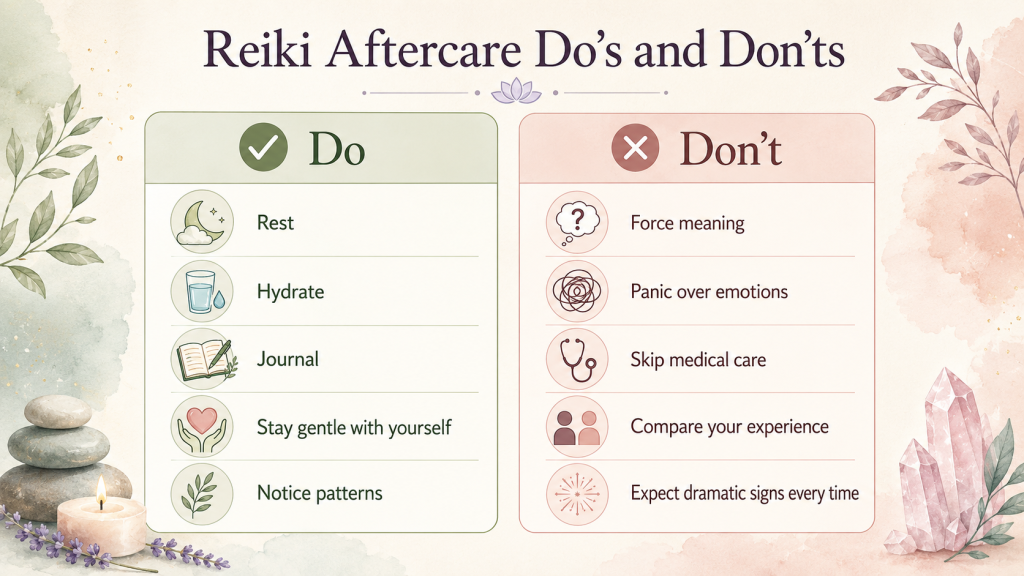
Try these gentle steps:
- Rest if you feel tired
- Drink water
- Eat something grounding
- Journal your feelings
- Take a slow walk
- Contact your practitioner if you feel unsure
- Seek medical or mental health support if symptoms feel severe
Reiki should feel supportive, not frightening. Your comfort matters.
Reiki Signs and Other Spiritual Rituals
Reiki pairs naturally with other mindful rituals, as long as you keep things intentional and respectful.
You might combine Reiki with:
- Meditation
- Breathwork
- Journaling
- Prayer
- Gentle stretching
- Crystal reflection
- Moon rituals
If you enjoy lunar practices, this guide to moon water benefits and spiritual ritual ideas can help you create a calm, reflective routine alongside Reiki.
The key is not to collect rituals like spiritual Pokémon. Choose what helps you feel grounded, kind, and connected.
FAQs About Reiki Signs
What are the most common Reiki signs for beginners?
The most common Reiki signs include warmth, tingling, deep relaxation, sleepiness, emotional release, vivid dreams, and a calm feeling after the session. Some people notice subtle mood shifts instead of strong physical sensations.
Are tingles during Reiki a good sign?
Tingles can be a common Reiki sign, especially in the hands, feet, forehead, or heart area. Many people interpret them as energy movement, but they may also reflect relaxation and body awareness.
Why do I feel emotional after Reiki?
You may feel emotional after Reiki because deep relaxation can bring feelings to the surface. Tears, memories, or tenderness can be part of emotional release. Be gentle with yourself and rest if needed.
What happens if I don’t feel anything when receiving Reiki?
Feeling nothing does not mean the session failed. Some Reiki signs appear later through better sleep, calmer reactions, or emotional clarity. Quiet sessions can still be meaningful.
Can Reiki signs show up in dreams?
Yes, some people report vivid dreams after Reiki. Dreams may reflect emotional processing, relaxation, or spiritual reflection. Keep a dream journal if patterns keep showing up.
Conclusion: Trust the Gentle Reiki Signs
Reiki signs can appear as warmth, tingles, tears, dreams, peace, clarity, or tiny shifts you almost miss. The important part is not chasing signs. It is learning to listen.
Stay curious. Stay grounded. Let your body speak softly. Reiki is not about forcing a mystical experience. It is about creating space for calm, reflection, and healing in whatever way feels honest for you.
Soft CTA: After your next Reiki session, write down three things you noticed. Over time, those small notes may become your personal map back to peace.
Meta description: Explore common reiki signs, from physical tingles to emotional shifts, and learn how to notice energy healing cues with gentle awareness.