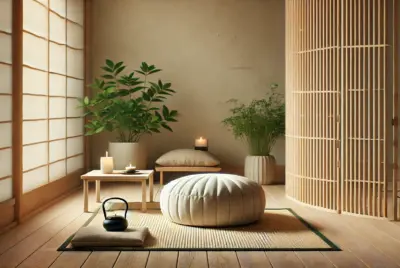
Spiritual Grounding Exercises for Daily Balance
We may earn a commission for purchases made using our links. Please see our disclosure to learn more.
Some days, your thoughts race ahead while the rest of you struggles to keep up. You might feel distracted after a difficult conversation, scattered before work, or simply distant from yourself. Spiritual Grounding Exercises offer a practical way to return your attention to the present while making room for reflection, intention, and personal beliefs.
Grounding does not require a special setting or a belief that you can control invisible energy. It can involve feeling your feet on the floor, noticing nearby sounds, walking outside, or holding an object with personal meaning. This guide explains simple techniques you can use at home, at work, and outdoors, plus ways to build a routine and choose tools that genuinely support it.
What Does Spiritual Grounding Actually Mean?
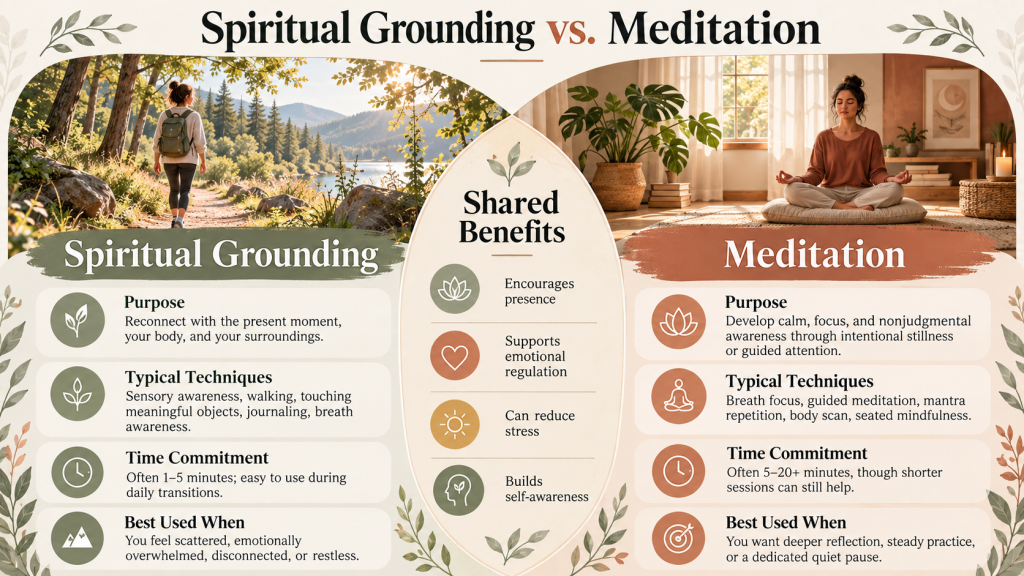
Spiritual grounding means returning your attention to your body, surroundings, and what matters to you. Some traditions describe it as connecting with the earth or centering your energy. That language is symbolic, not scientific.
In practice, pause, observe, and choose your next action. Mindfulness, prayer, movement, and symbolic rituals can all support that process.
Grounding isn’t the same as pushing away difficult emotions. You might still feel upset afterward. The goal is to respond more deliberately, not to make every uncomfortable feeling vanish.
Signs You Might Benefit From a Grounding Break
Try grounding when worries interrupt your focus, you feel distant from your surroundings, or tension follows you between activities. These experiences are common.
Look for everyday transitions: leaving a stressful meeting, reaching for your phone out of habit, or lying awake thinking about tomorrow. A pause may interrupt the pattern.
If turning inward feels uncomfortable, begin by observing the room instead. Looking at familiar objects may feel easier than closing your eyes. Choose the approach that feels manageable, not the one that sounds most spiritual.
Try a One-Minute Feet-on-the-Floor Reset
You can practice this grounding exercise almost anywhere. Sit or stand with both feet supported and let your shoulders relax.
- Notice pressure beneath each foot.
- Feel the chair or floor supporting you.
- Name three objects you can see.
- Take two comfortable breaths, if helpful.
- Ask, “What needs my attention now?”
Breathe naturally, or focus only on your feet. Finish by choosing one practical action, such as drinking water or answering a message.
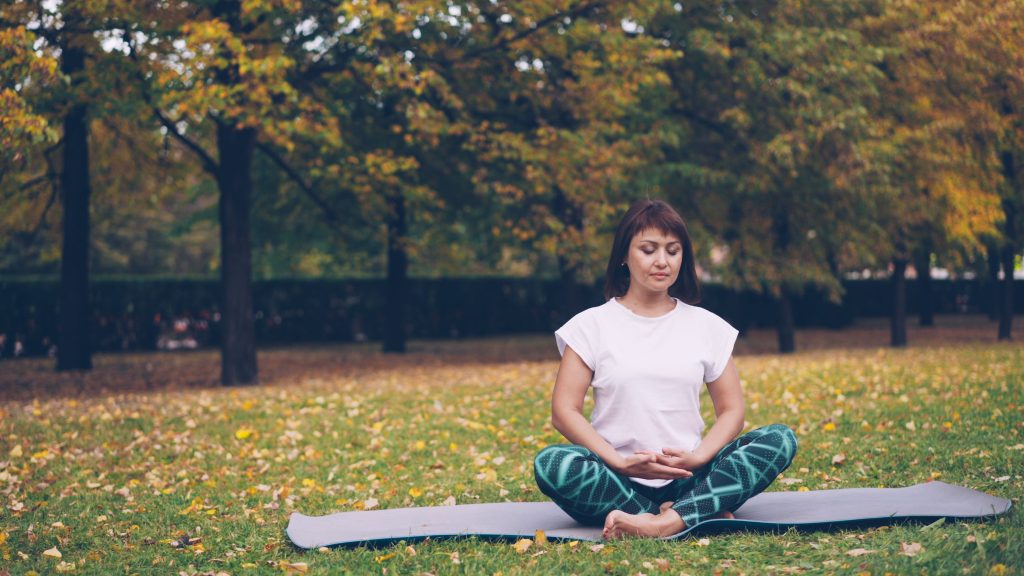
Use the Five Senses to Return to the Present
The 5-4-3-2-1 method gives distracted minds a task when meditation feels difficult.
Identify five things you can see, four you can physically feel, three sounds you can hear, two scents you can notice, and one taste you can recognize. A plant, your sleeve, passing traffic, tea, and a sip of water all count.
Move at your own pace. If you can’t identify a scent, notice another texture instead. You can keep your eyes open. Even a shorter version using only sights and sounds is worthwhile; there’s no requirement to complete every step.
Practice Mindful Walking in Nature or Indoors
Walking suits people who dislike stillness. Follow a familiar route at a comfortable pace. Notice your feet, the movement of your arms, and changes in light or temperature.
Outside, watch leaves or clouds. Indoors, feel each step across the floor. You don’t have to walk barefoot; shoes are sensible on uneven or shared surfaces.
For a spiritual element, choose a value such as patience, gratitude, or steadiness. At the end, name one ordinary thing you appreciated. This adds meaning without claiming healing energy.
Explore Root Visualization Without Pressure
Root visualization uses an image of stability. Imagine roots extending from your feet into solid ground. The roots are symbolic, not physical.
Sit comfortably, soften your gaze, and picture the ground supporting you. As you breathe naturally, imagine loosening unnecessary tension. After a minute, return your attention to the actual room.
If visualizing is difficult, say, “I am here. This floor supports me.” No special sensation is needed. Adapt the practice to how you feel.
Bring Grounding Into Gentle Movement and Yoga
Gentle movement can bring attention into your body without a long meditation. Roll your shoulders, stretch your hands, or slowly shift your weight between your feet. Notice each movement.
For yoga, choose comfortable seated stretches or a supported standing pose. Stay within your usual range and avoid pain. A chair works well if getting onto the floor is difficult.
You can pair movement with a phrase such as “steady and flexible.” It can remind you how to respond to a demanding day.
Use Sound and Meaningful Objects as Anchors
A small object can remind you to pause. Hold a smooth stone, touch a pendant, turn a prayer bead, or listen to a softly ringing bell. Notice its details.
Black tourmaline is traditionally associated with grounding, but that is symbolic rather than proof of an energy effect. For the symbolism behind different stones, our guide to crystal energy and mindful rituals explains how to use them without treating spiritual claims as medical facts.
Connect the object to an action: notice your surroundings and unclench your jaw. Avoid loud sounds if you’re sensitive to noise. The object remains optional.
Turn Journaling, Prayer, or Gratitude Into a Grounding Ritual
Writing can make a confusing experience feel more understandable. Spend three minutes answering: “What am I feeling, what can I influence, and what can wait?” A few honest lines are enough.
If prayer is meaningful to you, say a short prayer first. Otherwise, choose a personal intention. Use beliefs that feel authentic.
Gratitude can fit here, but don’t force cheerfulness. On a hard day, appreciating a warm drink is enough. End by choosing one realistic next step.
Build a Grounding Routine Around Your Day
Build grounding around moments already in your schedule. Try a quick morning pause, a midday sensory reset, and an optional evening reflection. Start with one.
| Moment | Simple practice | Time to allow |
| After waking | Feet on floor and one intention | 1 minute |
| Midday break | Notice sights, sounds, textures | 2 minutes |
| After work | Mindful walk or stretch | 5 minutes |
| Before bed | Write one concern and next step | 3 minutes |
These are suggestions, not prescribed doses. Use a reliable cue. A planned walk can become a seated check-in on a rainy day.
Avoid Common Mistakes and Know When to Seek Support
Don’t treat grounding as a requirement to become calm immediately. Sometimes it reveals that you’re tired, frustrated, or need help. That is normal.
Avoid forcing deep breaths, prolonged stillness, or imagery that makes you feel worse. If you experience trauma-related symptoms or dissociation, observing your surroundings may feel better than focusing on internal sensations, although responses differ.
Grounding complements self-care; it doesn’t replace treatment. Speak with a qualified professional if distress persists, worsens, or disrupts everyday life. If you feel unsafe, stop and seek familiar surroundings or trusted company.
What Research Shows About Grounding and Meditation
The NHS inform guidance on grounding exercises describes the 5-4-3-2-1 technique as a way to redirect attention during overwhelming stress or anxiety. It also presents gentle breathing as another option. This is practical guidance, not evidence that spiritual energy moves through the body.
A 2014 systematic review published in JAMA Internal Medicine examined 47 trials involving 3,320 participants. It found moderate evidence that mindfulness meditation programs produced small to moderate improvements in anxiety and depression. However, results varied, and meditation was not shown to outperform active treatments.
These findings concern meditation programs, not every spiritual ritual. Attention-based practices can be part of self-care, with realistic expectations. Choose exercises that feel comfortable and seek professional guidance for significant symptoms.
Recommended Products for Spiritual Grounding Exercises
You can begin with no equipment at all. If a physical tool makes practice easier to remember or more comfortable, these five options serve different purposes.
Florensi Meditation Cushion Velvet Floor Pillow with Buckwheat Fill
Best for: Comfortable seated reflection.
This round cushion uses buckwheat filling and a soft velvet cover to create a raised seat for meditation or journaling. It suits people who prefer sitting on the floor but want some separation from a hard surface. Check the cushion’s dimensions against your preferred posture; a supportive chair may still be better for some bodies.
Gaiam Yoga Mat – Premium 6mm Print Reversible Extra Thick Non Slip Exercise & Fitness Mat
Best for: Gentle stretching and mindful movement practiced on the floor.
This reversible mat provides a textured surface and 6mm cushioning for stretching, light yoga, or seated breathing exercises. Its roll-up design makes storage straightforward, especially in a shared room. The mat is a useful surface rather than a posture correction device; choose a different setup if getting down to the floor is difficult.
Mindfulness Cards: Simple Practices for Everyday Life by Rohan Gunatillake
Best for: Beginners who prefer guided prompts.
This Chronicle Books card deck contains more than 50 short mindfulness activities organized into themes including balance, awareness, and kindness. Drawing one card can remove the pressure of deciding what to practice. The exercises are written prompts, not personalized guidance, so skip any activity that doesn’t fit your comfort level or beliefs.
LEUCHTTURM1917 Medium A5 Hardcover Notebook, Ruled, Spring Leaf
Best for: Keeping a simple grounding journal.
This A5 hardcover notebook has ruled pages and numbered sheets, making it easy to track brief reflections without a dedicated app. Use a few lines for your mood, intention, and next step rather than trying to write an elaborate entry. It doesn’t provide guided questions, so you’ll need to create your own prompts.
Ohm Store Tibetan Singing Bowl Set with Healing Mantra Engravings
Best for: A sound-based pause at home.
This brass singing bowl comes with a wooden striker and a decorative cushion. A gentle strike provides a sound you can follow until it fades, making it a useful cue to begin or end quiet reflection. It takes practice to create a consistent tone, and the sound may disturb others in a shared space.
Frequently Asked Questions About Spiritual Grounding Exercises
How often should I practice spiritual grounding?
You can practice daily or whenever a transition feels difficult. A morning minute may be easier than a long ritual. No schedule suits everyone. Pay attention to whether the exercise helps you return to ordinary tasks rather than counting sessions as a measure of success.
Can I do grounding exercises without being religious?
Yes. Grounding can be entirely secular, using sensory awareness, walking, stretching, or journaling. If spiritual language doesn’t appeal to you, replace phrases about energy or roots with simple observations about the room and your body. Choose practices that suit your beliefs.
Is spiritual grounding the same as earthing?
No. Spiritual grounding usually refers to attention, presence, and personally meaningful rituals. Earthing commonly refers to direct physical contact with the ground and sometimes includes claims about electrical effects on health. Such claims should not be assumed proven. You can practice grounding indoors, fully clothed, and wearing shoes.
Can crystals help me feel more grounded?
A crystal can act as a tactile or symbolic reminder to slow down and notice your surroundings. Some people associate particular stones with stability, but there is no good evidence that a crystal’s invisible energy treats anxiety. Choose a stone, coin, or keepsake and connect it to an action.
How can I handle feeling more anxious during meditation?
Stop or change the exercise if meditation makes you feel worse. Keep your eyes open, name visible objects, or take a comfortable walk instead of focusing intensely on your breath. If distress continues, consider discussing it with a mental health professional. Grounding should offer choices, not pressure.
Conclusion: Choose a Grounding Practice You Can Actually Use
Spiritual Grounding Exercises work best as small, practical pauses woven into everyday life. Start with your feet on the floor or a quick sensory check. Add walking, visualization, prayer, or journaling if those approaches fit your values and help you pay attention.
Equipment is optional. A Florensi meditation cushion may make seated reflection more comfortable, while Mindfulness Cards can offer direction when you don’t know where to begin. Neither tool is necessary for a meaningful practice.
Let your routine change with your energy, surroundings, and needs. Some days call for quiet reflection; others call for fresh air or a conversation with someone you trust. Begin with one comfortable exercise, repeat it at a natural moment each day, and judge it by how useful it is in real life.