Holistic Healing: A Practical Guide to Mind, Body, and Spirit

We may earn a commission for purchases made using our links. Please see our disclosure to learn more.
Feeling worn down can make you wonder whether another quick fix is really what you need. Perhaps your sleep has slipped, your thoughts feel crowded, or you’ve lost touch with activities that give life meaning. Holistic healing offers a way to look at those experiences together rather than treating each part of your life as unrelated.
The approach combines everyday physical care, emotional awareness, supportive relationships, and, if meaningful to you, spiritual practices. It does not claim to cure anything or depend on following a specific belief system. This guide explains what holistic healing involves, how to choose realistic practices, where scientific evidence is stronger or weaker, and which simple tools might support a sustainable routine.
What Does Holistic Healing Really Mean?
Holistic healing is an approach to well-being that considers the whole person: physical health, emotions, relationships, surroundings, and personal meaning.
For example, feeling irritable might involve poor sleep, ongoing stress, or an unresolved disagreement. A whole-person response could include rest, a medical checkup when appropriate, and a conversation with someone you trust. Holistic care is most useful when it adds context and support to evidence-based healthcare rather than replacing it.
The Four Dimensions of Whole-Person Well-Being
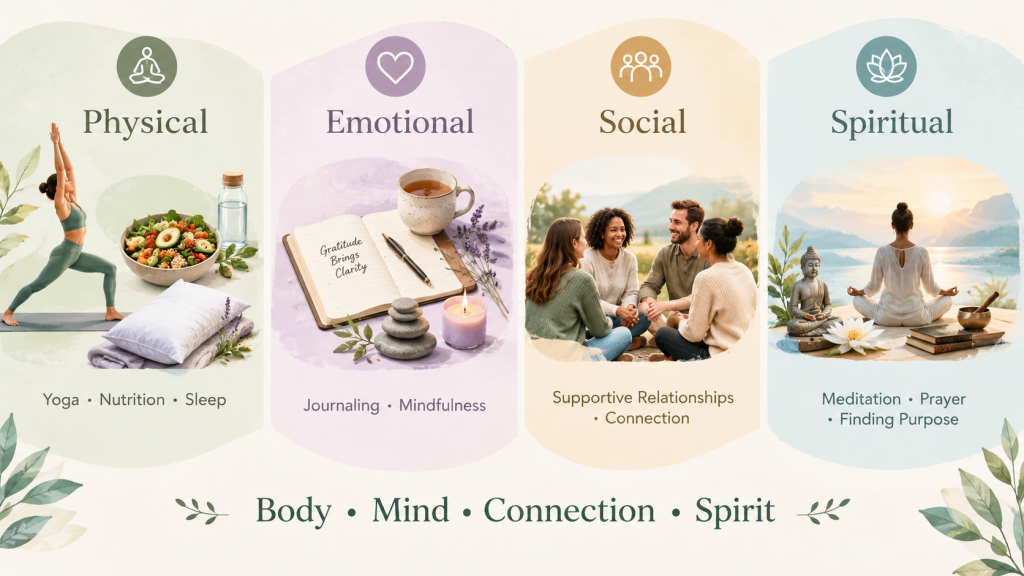
A useful way to understand the approach is through four connected areas. Physical care includes sleep, food, movement, and medical needs. Emotional care involves recognizing feelings and finding healthy ways to respond. Social care means nurturing relationships and setting boundaries. Spiritual care explores values, purpose, faith, or connection.
Someone recovering from exhaustion may need sleep and practical help before attempting a long meditation. Another person may feel physically well but need companionship or space to reflect. Start with what is missing, not what looks impressive.
Identify What You Need Before Choosing a Practice
Begin by asking what has actually felt difficult lately. Are you tired, tense, lonely, overwhelmed, or searching for direction?
Try writing down one current concern, one possible contributing factor, and one action within your control. If you frequently feel unwell, don’t assume the cause is emotional or spiritual. Persistent symptoms deserve a qualified healthcare assessment. Self-reflection can help you describe your needs, but it cannot diagnose an illness.
Use Mindfulness and Gentle Breathing to Find Calm
Mindfulness means noticing your present experience without immediately judging or reacting to it. Sit comfortably, observe the sounds around you, and follow a few natural breaths. When your attention wanders, simply return to what you can hear or feel.
There’s no need to force deep breathing or clear every thought. If breath awareness feels unsettling, keep your eyes open and focus on objects in the room instead. Comfort matters more than following a perfect method.
Support Your Body With Yoga and Gentle Movement
Movement can be part of holistic healing without becoming another demanding fitness goal. Stretch your shoulders, walk around the block, dance to a favorite song, or try a short, beginner-friendly yoga session.
Yoga often combines movement, attention, and breathing, but it isn’t suitable in the same form for everyone. A chair or supported pose may work better than floor exercises. If you have an injury, mobility limitation, or health concern, ask an appropriate professional about modifications rather than pushing through discomfort.
Make Sleep, Food, and Rest Part of the Plan
Basic physical needs deserve attention before elaborate rituals. Regular meals, accessible drinking water, and time to recover from demanding days can make a wellness routine more realistic.
For sleep, aim for consistent bed and wake times and a bedroom that feels comfortable. The CDC’s sleep guidance recommends at least seven hours for most adults. If you remain exhausted despite enough time in bed, seek medical advice instead of attributing fatigue to blocked energy.
Process Feelings Through Journaling and Connection
Writing can help you put vague feelings into words. Try answering, “What happened today, how did I respond, and what would help tomorrow?”
Emotional care also happens between people. Talk to a trusted friend, request practical support, or set a respectful boundary when an obligation drains you. Journaling isn’t a substitute for therapy, and connection doesn’t require sharing everything. Choose support that leaves you feeling heard and able to act.
Explore Prayer, Reflection, and Meaningful Rituals
Spiritual practices can give ordinary moments a sense of purpose. Depending on your beliefs, you might pray, read a meaningful passage, sit in silence, or mark the beginning of the day with an intention.
For deeper reflection on values and purpose, explore spiritual growth and everyday awareness. You may find that helping a neighbor or spending quiet time outdoors feels more meaningful than collecting spiritual objects. A useful ritual supports your choices; it shouldn’t make you fearful of missing a step.
Understand Reiki, Crystals, and Energy Healing Claims
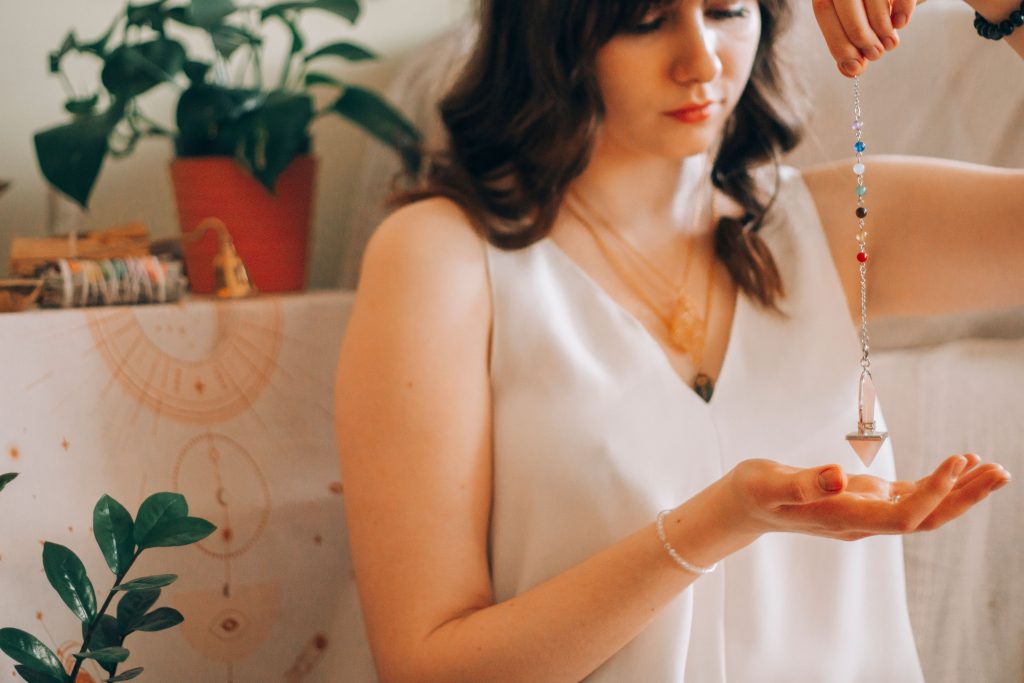
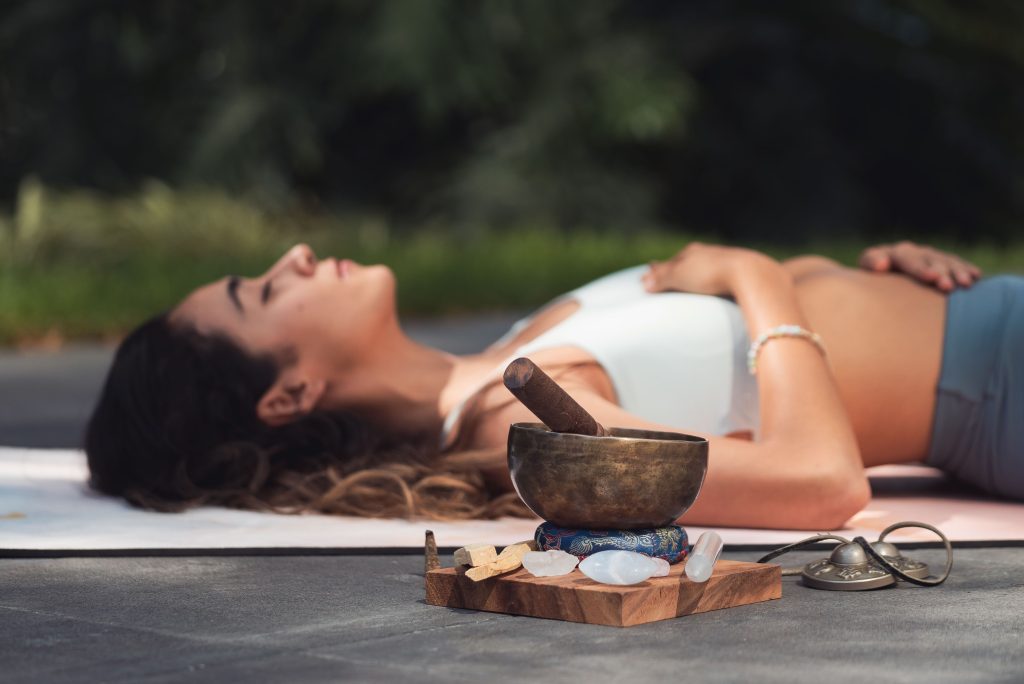
Some holistic traditions describe energy balancing through Reiki, crystals, chakras, or sound. These ideas may hold spiritual or symbolic meaning, but they shouldn’t be confused with measurable medical mechanisms. Feeling relaxed during a session does not establish that an invisible energy field has changed.
The National Center for Complementary and Integrative Health’s Reiki overview says Reiki has not clearly been shown effective for a health-related purpose. If you enjoy crystals or reflective rituals, use them as personal reminders, not treatments for illness.
Build a Holistic Healing Routine You Can Maintain
Start with two small practices attached to moments already in your day. After waking, check how your body feels and choose one intention. In the evening, put your phone aside briefly and write down one concern or point of gratitude.
Add movement, prayer, or social time only when your schedule allows it. The right approach should make daily life more manageable, not create another standard against which to judge yourself.
Know When Holistic Practices Are Not Enough
Self-care works alongside medical and mental health support, not in place of it. Seek professional assessment for persistent pain, prolonged low mood, unusual fatigue, troubling sleep problems, or symptoms that disrupt daily responsibilities.
Be cautious with costly packages, untested supplements, restrictive diets, and anyone claiming that thoughts or spiritual energy cause every disease. Tell your healthcare professional about complementary practices, especially herbs or supplements that may interact with medications. It’s reasonable to value spiritual meaning while asking for clear evidence and informed consent.
Recommended Products for a Holistic Healing Routine
Helpful products make an existing habit easier; they don’t produce healing by themselves. These five options support different parts of an everyday routine, from reflection to gentle movement and rest.
Intelligent Change The Five Minute Journal
Best for: Beginners who prefer guided reflection.
This undated journal provides structured morning and evening prompts, including gratitude and reflection. It suits someone who wants a short writing ritual but feels stuck facing a blank page. The format is easy to repeat, although its fixed questions may feel restrictive if you prefer free writing or need space to explore difficult emotions.
Florensi Meditation Cushion, 16-Inch Round Zafu
Best for: Creating a comfortable seated reflection space.
This round cushion combines buckwheat-hull filling, a foam layer, and a removable velvet cover. Its raised seat can make floor sitting more inviting, while the adjustable fill helps personalize the height. It takes up more room than a folded blanket and won’t suit everyone; a supportive chair is often preferable if your hips or knees hurt.
Gaiam Essentials Thick Yoga Mat With Easy-Cinch Strap, 10mm
Best for: Gentle floor stretching at home.
The 10mm foam mat provides a cushioned surface for accessible stretches, simple yoga poses, or relaxation exercises. Its carrying strap makes storage and transport easier. Because thick foam can feel less steady during standing balance poses, it’s a more natural match for slower floor work than advanced practices requiring a firm base.
MZOO Luxury Sleep Eye Mask, 3D Contoured Design
Best for: Blocking unwanted light during rest.
This contoured sleep mask is shaped to leave space around the eyes while limiting incoming light. It may be useful in a bright bedroom or during travel, when changing the surroundings is difficult. Face shape and strap adjustment affect comfort, and the mask cannot address underlying causes of insomnia or other persistent sleep difficulties.
The Power of Now: A Guide to Spiritual Enlightenment by Eckhart Tolle
Best for: Readers interested in spiritual approaches to presence.
This book explores attention, identity, and the experience of living in the present moment. It offers material for quiet reading and personal reflection beyond a guided exercise or daily checklist. Its arguments are philosophical and spiritual, not established clinical explanations, so read with curiosity while keeping medical decisions grounded in reliable healthcare guidance.
What Research Actually Supports About Holistic Healing
Scientific studies evaluate particular practices, not holistic healing as one uniform treatment. A 2014 systematic review in JAMA Internal Medicine included 47 trials and found moderate evidence that mindfulness meditation programs improved anxiety and depressive symptoms to a modest degree. Results varied, and the review did not show that meditation outperformed established active treatments.
The NIH’s review of yoga evidence describes possible improvements in stress and aspects of well-being, while acknowledging differences in study quality and practice styles. Meanwhile, Reiki research has not established a reliable medical benefit. None of these findings proves that spiritual energy causes or cures disease.
Choose practices for their plausible benefits and personal fit. Treat stronger health claims with greater scrutiny, and use qualified care for symptoms that need assessment.
Frequently Asked Questions About Holistic Healing
Is holistic healing the same as alternative medicine?
No. Holistic healing describes attention to the whole person, while alternative medicine refers to nonmainstream practices used instead of conventional treatment. A whole-person approach can include medical care, counseling, exercise, spiritual reflection, and supportive relationships. Replacing effective treatment with an unproven remedy is a different choice and may carry serious risks.
Can holistic healing support stress and anxiety management?
Some practices associated with holistic care, such as mindfulness and gentle yoga, may help people manage certain stress-related symptoms. Their effects differ, and they are not guaranteed treatments for an anxiety disorder. If anxiety is frequent, severe, or interfering with work, sleep, or relationships, seek professional advice rather than relying on self-care alone.
Do I need to believe in spiritual energy to practice it?
No. You can take a whole-person approach through rest, reflection, movement, community, and evidence-based healthcare without accepting supernatural explanations. Prayer or symbolic rituals can be meaningful if they fit your beliefs, but they are optional. Choose language and activities that make sense to you rather than adopting someone else’s worldview.
How long should a daily holistic routine take?
A few minutes is a reasonable place to begin, although there is no scientifically established minimum routine that produces holistic healing. Try a brief check-in, a comfortable stretch, or several lines of journaling. Consistency can make a habit easier to remember, but the quality of your rest, relationships, and healthcare matters more than meeting a timer target.
Are holistic healing products necessary for beginners?
No. A chair, notebook, comfortable clothing, and quiet place are enough for many beginner practices. A meditation cushion or yoga mat may improve comfort, while a guided journal offers structure. Buy something only when it solves a specific practical problem; avoid products promising to detox your body, rebalance invisible energy, or cure a health condition.
Conclusion: Choose a Realistic Path to Holistic Healing
Holistic healing makes the most sense when it helps you understand how physical needs, emotions, relationships, and spiritual meaning fit together. Begin with whichever area needs your attention most, then choose one or two actions you can maintain without pressure. Sleep, medical support, connection, and gentle reflection deserve at least as much consideration as specialized rituals.
If structure helps, The Five Minute Journal offers an accessible writing routine, while the Florensi Meditation Cushion may make seated practice more comfortable. Neither is essential. Let your beliefs guide meaningful reflection, but judge health claims by trustworthy evidence. The most practical first step is to name one current need and respond to it with a safe, manageable action today.